Conversation StARTer
Talking Points Toolkit for Commissioners
Welcome to a new tool for commissioners that shows how the Arts Commission serves constituents across the state by expanding access to the many benefits of the arts.
Bookmark this link! Use it the next time you engage a decision-maker or key constituent about the SCAC. This content is formatted best for mobile devices, putting the latest information on our work—updated quarterly—at your fingertips.
This Quarter’s Topics (Q4 2026)
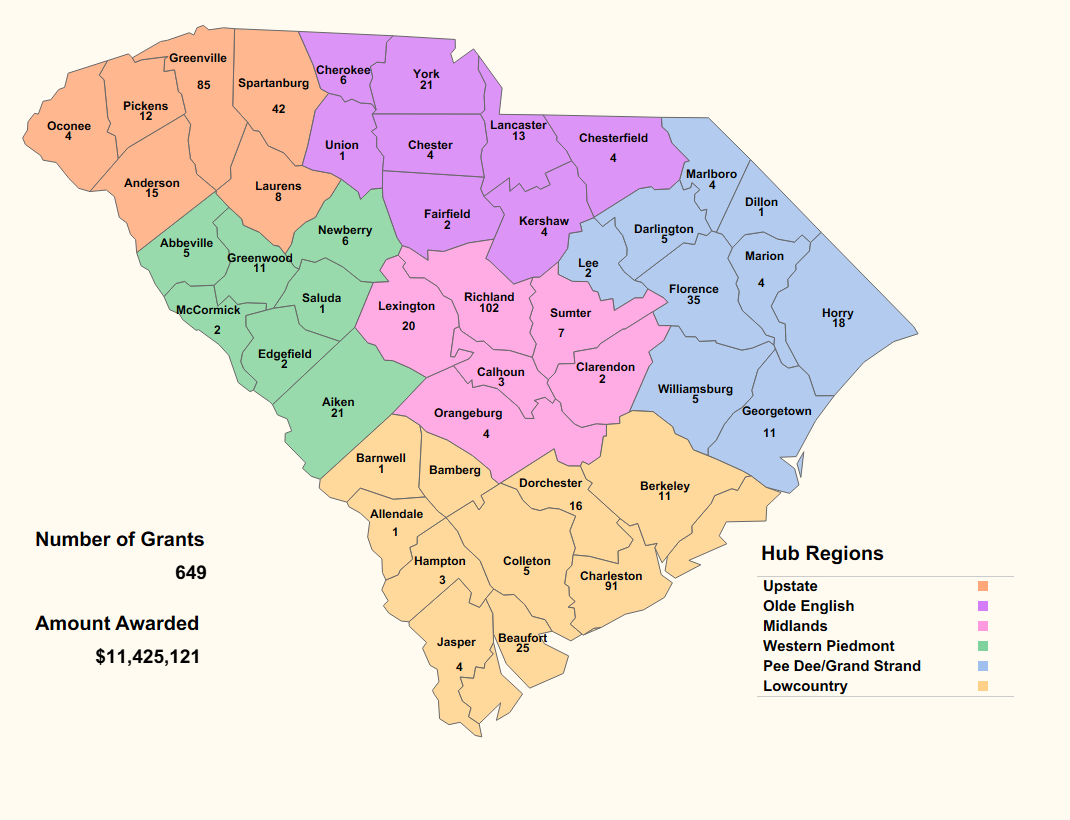
- Grant Activity
- Program Spotlights
- Public Information Highlights
- Community Focus: Arts + Veterans and Military
- SC250 and the Arts: North Augusta public art
Being that this digest-style communication is new, it might evolve as we seek a format that maximizes its utility and engagement potential. Feedback is welcome! Please share it with Interim Executive Director Ashley Brown: cabrown@arts.sc.gov.
Updated 24 July 2026, 09:22 ET
Grant Activity
Economic Impact of the Arts in S.C.
- $14.1 billion in total economic activity, which represents both direct and indirect demand generated by the local spending activity of all arts-related businesses, their suppliers, and their employees.
- 123,550 total jobs supported by the arts-related cluster. This level of employment…
- represents 5.5 percent of the total employment base in S.C.
- and also generates nearly $5.7 billion in wages and salaries.
- $360.2 million in estimated tax revenue for SC is generated each year by the arts-related cluster.
Program Spotlights
Grantees from each SCAC focus area enter the spotlight. Excerpts from narrative provided by the grantees.
-
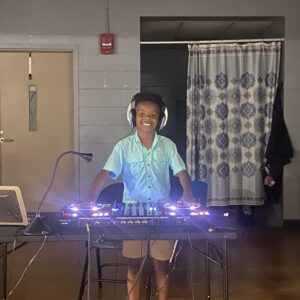
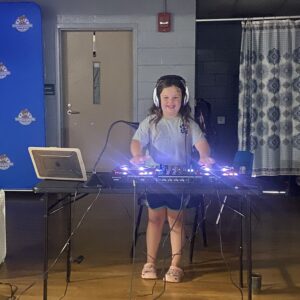
Dewey L. Carter Elementary School (Florence)
- Beats, Rhythm, and Rhyme: A DJing and Music Production Grant
- FY26 School Arts Support
High View (Generated by AI)
The funded project successfully impacted approximately 600 students by integrating a DJ controller, lighting system, and fog machine into music instruction. This specialized equipment transformed the classroom into an immersive performance space, encouraging active movement and boosting participation among all students. It also offered an accessible pathway to music production through hands-on mixing, looping, and tempo experimentation.
Evaluated through high student engagement and overwhelmingly positive feedback, the project successfully fostered creativity and confidence. The durable equipment remains highly sustainable, continuing to enrich future lessons, performances, and school events.
The funded project was highly successful in meeting its intended goals and positively impacted approximately 600 students throughout the course of implementation.
The purchase of the DJ controller, multi-function DJ lighting system, and fog machine significantly enhanced music instruction by creating engaging, interactive, and immersive learning experiences that connected students to contemporary music-making practices.
One of the primary goals of the project was to increase student engagement through movement and active participation in music. Research and classroom experience consistently demonstrate that movement is an essential component of music education, especially for elementary-aged students. The equipment allowed students to experience music physically through dance, rhythm activities, and coordinated movement exercises that reinforced beat, tempo, phrasing, and musical expression.
The lighting and atmospheric effects transformed the classroom environment into an exciting performance space, encouraging participation from students who may not traditionally feel confident in music settings. The DJ controller also introduced students to modern music technology and contemporary methods of music creation and manipulation. Many students are interested in music but may not yet possess proficiency on a traditional instrument. The DJ equipment provided an accessible entry point into music production and performance by allowing students to experiment with mixing, looping, tempo changes, sound layering, and transitions. This helped students better understand musical structure, rhythm, and creativity while demonstrating that there are multiple pathways for musical expression and participation.
Additionally, the project supported creativity, collaboration, and confidence-building. Students were given opportunities to participate in guided DJ demonstrations and interactive activities where they could manipulate music in real time. These experiences fostered excitement and curiosity about music technology while promoting teamwork and communication among peers.
The success of the project was evaluated through several measures.
- First, student participation and engagement levels increased noticeably during activities utilizing the equipment. Students consistently demonstrated enthusiasm, focus, and willingness to participate. Informal observations showed increased movement participation, improved rhythmic accuracy, and greater overall involvement during music lessons.
- Second, student feedback was overwhelmingly positive. Many students expressed excitement about using professional-style music equipment and looked forward to lessons involving the DJ controller and lighting system. Teachers and staff members also observed the positive atmosphere created during these activities and noted heightened student engagement.
- Finally, the project’s reach and sustainability contributed to its success. Approximately 600 students benefited from the equipment across multiple grade levels, ensuring that the grant funds had a broad and meaningful impact on the school community. The equipment will continue to be used in future music instruction, performances, school events, and enrichment activities, extending the long-term value of the grant investment.
Overall, the project successfully achieved its objectives by enhancing music education through movement, creativity, technology integration, and student engagement. The funded equipment created meaningful opportunities for students to experience music in innovative and accessible ways while supporting a dynamic and inclusive learning environment.
-
Mary Glenn Keadle (Charleston)
- Pluff Mud and Red Clay
- FY26 Emerging Artist
High View (Generated by AI)
During the grant period, Keadle created “Pluff Mud and Red Clay,” a body of work exploring rural South Carolina’s landscapes. This project culminated in a solo exhibition of 40 paintings and sketches at Park Circle Gallery, attracting 138 visitors and resulting in 11 sales.
She credits the initiative with expanding her studio practice, yielding more art than her previous decade combined—all while balancing a day job and childcare. Supported by features in the Post and Courier and Live 5 News, the project successfully deepened her artistic discipline and fostered meaningful community engagement.
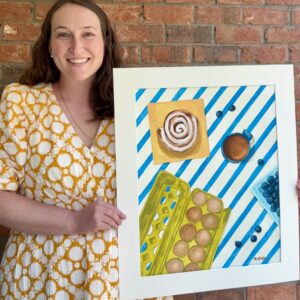
Mary Glenn Keadle. Provided photo.
During the grant period, I created a body of work titled “Pluff Mud and Red Clay” that explored rural South Carolina and its small towns as both a physical landscape and a remembered one. Through paintings and sketches, I focused on spaces that exist just beyond attention—quiet back roads, working land, a worn sense of home, and the structures and spaces shaped by use and time. The completed work was presented in a solo exhibition held at Park Circle Gallery in North Charleston from April 29 through May 30. The gallery is free and open to the public.
The funded activities were highly successful and exceeded my expectations. During the grant period, I completed 27 new works and included 13 previously completed pieces in the final exhibition, resulting in a total of 40 original works displayed. In addition to the finished pieces, the project involved extensive experimentation through color studies, sketchbook work, and many unfinished or unsuccessful attempts that informed the final body of work.
I evaluated the project’s success through several factors: the volume and quality of work produced, public engagement with the exhibition, and the personal growth that resulted from the creative process. Since beginning this project, I have produced more artwork than I had in the previous ten years combined, demonstrating a significant expansion of my studio practice and artistic discipline.
At the opening reception, I was overwhelmed by the number of friends, family, neighbors, fellow artists, and community members, and the strong attendance reinforced the project’s community impact. In total, 138 people visited the show during May. The exhibition also resulted in the sale of 11 paintings, which provided additional validation of the work. The project received broader public attention through two articles in the Post and Courier and a Live 5 News segment where I was able to live paint in the background while the North Charleston Cultural Arts Director talked about North Charleston Arts Fest.
The success of the project is especially meaningful given that the work was completed while maintaining a job outside of the arts and being the primary caregiver for my three children. Overall, the project strengthened my artistic practice, expanded the audience for my work, and created opportunities for meaningful public engagement and visibility.
-
Long Bay Symphonic Society, Ltd. (Long Bay Symphony, Myrtle Beach)
- “From Gullah to Gospel”
- FY26 Folklife & Traditional Arts Project
Click image to enlarge.
High View (Generated by AI)
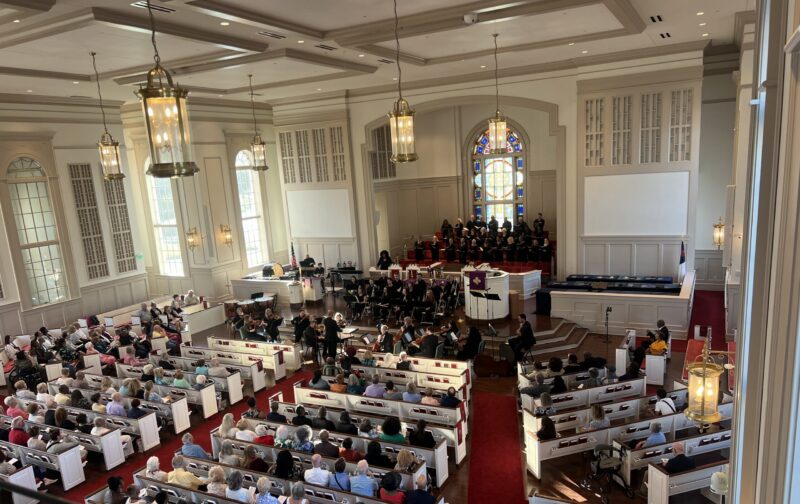
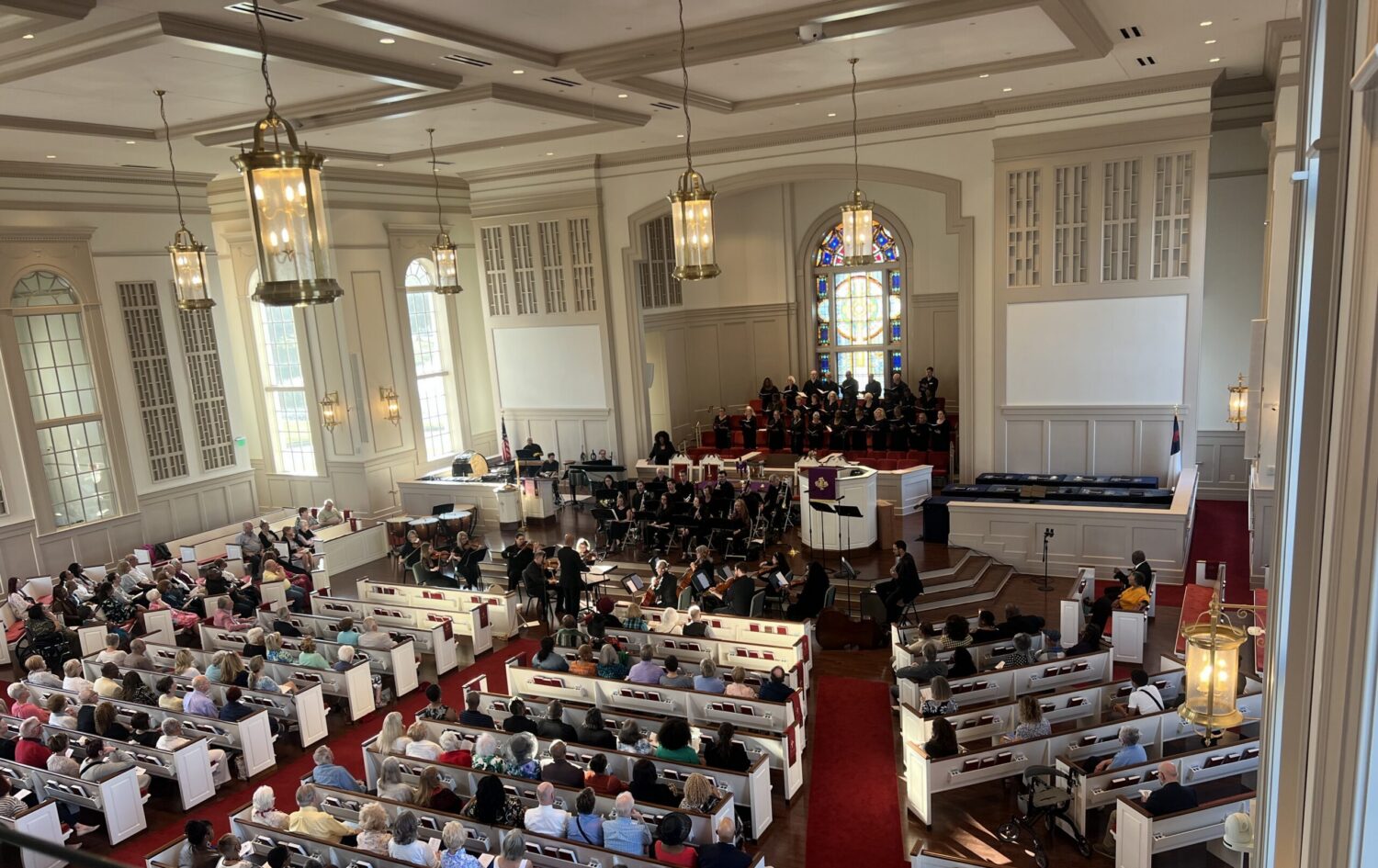
On March 22, the Long Bay Symphony presented the “From Gullah to Gospel” concert at First Presbyterian Church of Myrtle Beach. This cultural collaboration featured acclaimed Gullah storytellers Ron and Natalie Daise, guest conductor Antoine Clark, and a powerful joint community choir from three local churches.
To deepen the audience’s connection to the music, a pre-concert educational lecture featured presentations on plantation archaeology, local history, the Gullah language, and African American musicology. Together, these elements created a multifaceted experience celebrating Gullah Geechee heritage through performance, scholarship, and community.
Our “From Gullah to Gospel” concert took place on March 22nd at First Presbyterian Church of Myrtle Beach as a culminating cultural event that combined performance, education, and community collaboration. This special concert brought together acclaimed Gullah storytellers Ron and Natalie Daise, guest conductor Antoine Clark, and Long Bay Symphony musicians to explore the historical and cultural connections between Gullah traditions and gospel music.
A key component of the program was the participation of a joint community choir, uniting singers from Sandy Grove Baptist Church, Mt. Olive AME, and First Presbyterian Church. These combined choirs performed the gospel selections on the program, creating a powerful and authentic musical experience that reflected the spirit of collaboration and shared heritage across congregations and communities.
In addition to the performance, the event featured a pre-concert lecture designed to provide historical and cultural context for the audience. This lecture included presentations by local experts and culture bearers, including Susan McMillan on Plantation Archaeology; Cookie Canty Goings on the Historic Myrtle Beach Colored School Museum & Education Center; Dr. Veronica Gerald, who led a Gullah language session; and Dr. Cheryl Keyes (UCLA professor), who spoke on African American Studies and music. These presentations enriched the audience’s understanding of the cultural traditions represented in the performance and reinforced the educational impact of the project.
Together, these activities created a multifaceted experience that honored the living traditions of the Gullah Geechee community through music, storytelling, scholarship, and community participation.
Public Information Highlights
How we tell our story.
-
News Releases
Public Information and Transparency
- One FOIA request was fulfilled in June.
- The board agenda for the June meeting was posted.
- The minutes from the April meetings were posted once approved.
-
Select analytics from our social media channels.
YouTube
We picked up 21 new subscribers in Q4 and have a total of 315, 7% growth over the 2025 numbers.
Trivia!
How many hours did people spend watching SCAC YouTube content in Q3?
A. 65.4 hours
B. 78.3 hours
C. 115.1 hours
D. 126.4 hoursKeep reading; the answer is awaiting at the bottom of this section.
Facebook
We reached more people, by 19% with two fewer posts than in Q3. Our followers grew by 4% year-over-year, giving a total of just about 12,300.
Instagram
Followers on this channel saw a nearly 28% jump over last year at this time.
Other metrics were down over a bustling Q3, arguably the agency’s busiest, but up relative to the same time period a year ago. We continue to see growth on this busy channel.
LinkedIn
Not surprisingly, LinkedIn continues to see the most activity when the SCAC is hiring. Postings were down relative to Q3, and so were metrics here. We continue to see considerable growth in followers, growing by more than 100 over the last quarter and 37% year-over-year.
Most-Engaging Content
The most engaging content, ranked by interactions, included multiple posts surrounding the Governor’s Awards for the Arts. Content about a lone SCAC job opening ranked highly across channels as well.
Trivia Answer
D! 126.4 hours.
Community Arts Highlight
The impact of the arts in non-arts spaces.
-
With dynamic and knowledgeable speakers from South Carolina arts organizations, Creative Conversations serve to connect participants with fresh topics, perspectives and ideas for arts organizations throughout the state. All Creative Conversations are free and end with interactive Q&A time.
In FY26, SCAC was host of a session about Arts + Veterans and Military. Guest Speakers were Robert LeHeup and Gabby Jones.
Robert LeHeup
Executive Director, Bullets and BandaidsRobert LeHeup is the founder and executive director of Bullets and Bandaids, a nonprofit organization that bridges the divide between veterans and civilians through storytelling and art. A former U.S. Marine Corps infantryman who served two tours in Afghanistan between 2001 and 2003, Robert’s experiences with trauma, loss, and rediscovery inspired him to create an initiative that transforms isolation into connection and pain into purpose. After his service, he earned a degree in Writing for Media from the University of South Carolina and went on to write across multiple forms of media. His journey toward healing included a TEDx talk that helped him confront the emotional aftermath of war and inspired the founding of Bullets and Bandaids in 2012. The project has since grown into an international collaboration featuring veterans, writers, and artists from across generations, demographics, and geography, including participants from over a dozen different countries. Robert’s work embodies his belief that radical empathy, honest storytelling, and intentional art can heal individuals and communities alike.
Gabby Jones, MT-BC
Neurologic Music TherapistGabby Jones received her bachelor’s degree in music therapy from Queens University of Charlotte. Gabby works as a board-certified music therapist at Piedmont Music Therapy, a 501(c)3 that aims to connect and grow with individuals of all ages and abilities through music therapy treatment and community programming. She has experience working in a variety of communities, including substance use disorder recovery, mental health settings, veteran support, adults and children with physical and intellectual disabilities, and stroke and TBI recovery. Gabby is passionate about encouraging self-care and mental well-being in the communities she serves, aiming to provide inclusive and transferable treatment outcomes through therapeutic musical experiences.
SC250 and The Arts
Through a federal grant from the National Endowment for the Arts, the Arts Commission is funding arts-based projects celebrating SC250 and the anniversary of American independence. Excerpts from narrative provided by grantees.
-
The Arts and Heritage Center of North Augusta received an America 250 grant from the SCAC to create a patriotic community mural. From the center:
We hope to inspire all Americans to participate in some way in observing the nations’ founding by reflecting on its past, honoring all of its people, and envisioning its future. Our community mural is a way to engage the people of North Augusta and the CSRA and celebrate this momentous birthday.
Murals are vital for artistic expression in public spaces due to their ability to convey cultural narratives and foster community engagement. They transform ordinary environments into vibrant canvases, enhancing aesthetic appeal and promoting social dialogue. Murals often reflect local history, identity, and values, making art accessible to everyone.
With a bachelor’s in graphic design from Savannah College of Art and Design (SCAD), mural artist Adeana Berry is more than just a designer; she’s a visual artist with a lifelong dedication to her craft.
From the earliest days of her childhood, Adeana’s creativity burned brightly, igniting a passion that would shape her future. “As an only child, I’d choose melting shaved crayons on the light shade over playing with my Barbie dolls any day,” she recalls with a smile. Thankfully, her artistic endeavors never sparked a fire, but they certainly ignited her love for the world of art.
Media Coverage